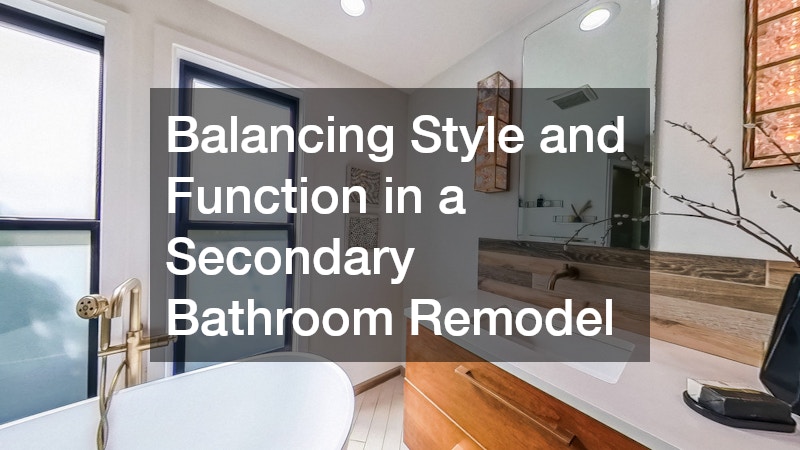

A dated bathroom can make an entire home feel tired, but tearing everything down to the studs isn’t the only path to a fresh, functional space. Smart, targeted upgrades can transform how a bathroom looks and works without the mess, cost, and months-long timeline of a full renovation. This guide walks through practical, high-impact changes homeowners can make room by room, so you can decide where your money and effort will go the furthest.
Refresh Existing Countertops Instead of Replacing Them
Countertops take a lot of visible wear over the years, from hard water stains to chips near the sink basin, but that doesn’t always mean they need to be torn out. In many cases, countertop repair can restore a stone or laminate surface to near-original condition at a fraction of the cost of replacement. Professionals can fill chips, buff out scratches, and reseal porous stone so it resists future staining.
If your existing surface is beyond saving, upgrading to marble countertops during a partial remodel can dramatically change the look of the room without touching the cabinetry or flooring. Marble brings a timeless, high-end appearance that pairs well with both modern and traditional bathroom styles. Because it’s a natural stone, each slab has unique veining, which means no two installations look exactly alike.
- Ask for a professional assessment before assuming a stained or chipped countertop needs full replacement.
- Resealing natural stone every one to two years helps prevent future staining and moisture damage.
- Marble requires more maintenance than engineered quartz but offers a distinct, luxurious appearance.
- Small repairs are often completed in a single day with minimal disruption to your routine.

Give Old Cabinets New Life or Replace Them Selectively
Cabinets often show their age through peeling laminate, loose hinges, or outdated finishes long before the boxes themselves actually fail. Refacing doors and drawer fronts, adding new hardware, or repainting can make cabinetry look brand new while keeping the existing layout intact. This approach saves both money and the disruption of ripping out functional storage.
When cabinets are too damaged or the layout no longer fits your needs, working with a local cabinet company to design custom cabinets can solve storage problems that off-the-shelf options can’t address. Custom cabinets can be built to fit awkward corners, taller ceilings, or specific storage needs like built-in hampers or pull-out organizers. A local shop can also match finishes to existing trim or fixtures, which helps the new cabinetry blend seamlessly into the rest of the room.
- Reface or repaint cabinets that are structurally sound but visually outdated.
- Replace only the sections that are damaged, rather than the entire run of cabinetry.
- Consider custom storage solutions for narrow bathrooms or awkward layouts.
- Ask about soft-close hinges and drawer slides when updating hardware.
Update Fixtures for an Instant Visual Upgrade
Swapping out fixtures is one of the fastest ways to change the feel of a bathroom without any construction at all. A new decorative faucet on the sink or tub can serve as a small but noticeable focal point, especially when paired with matching towel bars, cabinet pulls, and a new showerhead. Finishes like brushed gold, matte black, or oil-rubbed bronze can shift a bathroom’s entire personality in an afternoon.
Beyond appearance, newer fixtures tend to be more water-efficient, which can lower utility bills over time. Many manufacturers now offer models with easier-to-clean designs that resist mineral buildup around the base and spout. Coordinating finishes across the room, rather than mixing several different metals, creates a more polished, intentional look.
- Match fixture finishes across the faucet, showerhead, and hardware for a cohesive look.
- Look for WaterSense-labeled fixtures to reduce water usage without sacrificing performance.
- Replace worn cartridges or valves before assuming a fixture needs full replacement.
- Consider touchless or single-handle designs for easier daily use.
Address Plumbing Issues Before They Become Bigger Problems
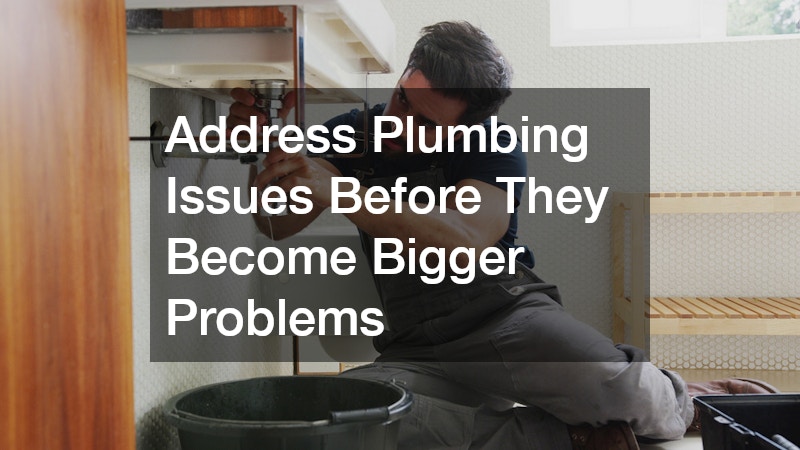
Cosmetic upgrades only go so far if there are underlying plumbing issues causing slow drains, water pressure fluctuations, or hidden leaks. Bringing in a local plumbing contractor for an inspection before starting any cosmetic work can save you from redoing finished surfaces later if a leak is discovered behind a wall or under a floor. This is especially important in older homes where pipes may be nearing the end of their expected lifespan.
A plumbing contractor can also advise on whether existing supply lines and drains can support upgrades like a rain showerhead or a double-sink vanity. Some fixture upgrades require adjustments to water pressure or line placement that aren’t obvious until someone examines the setup. Getting this assessment early prevents surprises mid-project.
- Schedule a plumbing inspection before starting cosmetic upgrades in an older bathroom.
- Watch for warning signs like slow drains, water stains, or fluctuating pressure.
- Confirm that existing lines can handle new fixtures before purchasing them.
- Budget extra time if pipe or valve replacement turns out to be necessary.
Replace an Outdated Shower Enclosure
A shower enclosure can make or break the look of a bathroom, and swapping an old, clouded glass door or moldy curtain setup for something newer is one of the most transformative changes available without a full remodel. A frameless shower door in particular gives a clean, modern look that makes small bathrooms feel more open, since there’s no bulky metal frame breaking up the sightline. It also tends to be easier to keep clean, since there are fewer tracks and corners for soap scum to collect in.
Installation typically takes less than a day, and the enclosure can often be fitted to an existing shower base or tub, which keeps costs down. Choosing tempered safety glass is standard practice for both durability and safety in a wet environment. Homeowners should also consider whether a hinged, sliding, or fixed panel design best fits the available space.
- Measure available space carefully, since frameless doors require precise fitting.
- Choose tempered glass for safety and durability in a high-moisture environment.
- Ask about coatings that resist water spots and soap scum buildup.
- Confirm the existing shower base is level and in good condition before installation.

Handle Glass Damage Promptly to Avoid Bigger Repairs
Cracked, chipped, or foggy glass in a shower door or window is more than a cosmetic annoyance; it can also be a safety hazard if the damage worsens over time. A qualified glass repair company can often fix minor chips or replace a single damaged panel without requiring a full enclosure replacement. Catching damage early is usually less expensive than waiting until the glass fails completely.
Fogging or a hazy appearance in shower glass is sometimes caused by mineral deposits rather than actual damage to the glass itself, and a professional can determine which issue you’re dealing with. In some cases, a protective coating applied after cleaning can prevent the problem from recurring. Knowing the difference between a repair and a full replacement can save homeowners from unnecessary spending.
- Inspect glass regularly for small chips near edges or corners, where cracks tend to start.
- Don’t ignore hazy glass, since it may be treatable rather than requiring replacement.
- Ask whether a protective coating is available after any repair work.
- Get a professional opinion before assuming damaged glass must be fully replaced.
Improve Ventilation to Protect Your Upgrades
Even the best fixtures and countertops won’t last if a bathroom has poor ventilation, since excess moisture leads to mold, warped wood, and peeling paint over time. Upgrading an old, noisy exhaust fan to a quieter, higher-capacity model is a relatively simple project that protects every other improvement made in the room. Proper ventilation also helps glass surfaces, mirrors, and metal fixtures stay cleaner for longer by reducing condensation.
Homeowners should check that their fan is properly sized for the square footage of the bathroom, since an undersized fan won’t clear humidity effectively. Venting the fan to the exterior of the home, rather than into an attic space, is also essential to prevent hidden moisture damage. This is a good project to pair with any other upgrade, since it protects the investment made elsewhere in the room.
- Size the exhaust fan according to the bathroom’s square footage for effective moisture control.
- Confirm ductwork vents outside rather than into an attic or crawl space.
- Run the fan during and after showers to reduce lingering humidity.
- Replace fans that are excessively loud, since this often discourages regular use.

Decide When a Full Renovation Makes More Sense
Not every bathroom can be improved through targeted upgrades alone, and it’s worth recognizing when the layout, plumbing, or structural issues are extensive enough that a full renovation is the more practical choice. Some warning signs are easy to spot: persistent musty odors, soft or discolored flooring, water stains spreading across ceilings below, or a toilet and vanity crammed into a layout that never quite worked. If you’re noticing several of these issues simultaneously rather than just one isolated problem, that’s usually a strong signal that patchwork fixes won’t hold for long.
If you’re dealing with multiple failing systems at once, such as outdated plumbing, water damage, and a layout that no longer suits your household, a piecemeal approach may end up costing more over time than a single coordinated project. For example, replacing a vanity now only to tear out the same wall next year for pipe repairs means paying for labor and materials twice. Homes older than 30-40 years are especially prone to this kind of overlap, since galvanized pipes, outdated wiring, and subfloor damage often surface together once one area is opened up.
It’s also worth factoring in how long you plan to stay in the home and whether resale value matters to your decision. A full renovation typically costs more upfront, but it can address ventilation, electrical code issues, and accessibility needs all at once, saving you from repeated disruptions down the road.
In these cases, consulting a bathroom remodeling company can help clarify whether a partial or complete overhaul makes the most financial sense. A qualified contractor can inspect behind the walls, assess the condition of the subfloor and plumbing lines, and give you a realistic estimate comparing incremental repairs against a complete teardown before you commit to either path.
Before you commit to swapping fixtures or repainting, it’s worth knowing what’s happening behind the walls. A professional bathroom remodeler can walk through the space and identify which elements are salvageable and which aren’t, giving you a realistic budget range before any work begins. They’ll check for water damage around the tub or shower, assess whether the subfloor has softened from years of moisture, and look at whether your plumbing and electrical systems meet current code.
This kind of assessment is valuable even if you ultimately decide to move forward with upgrades rather than a full remodel, since it helps you prioritize which changes will have the greatest impact. For example, a remodeler might tell you that your outdated vanity is purely cosmetic and safe to replace on its own, while your leaking shower pan signals a problem that will only get worse if ignored. That kind of insight helps you decide whether to spend $3,000 on cosmetic updates now or set that money aside toward a $15,000-plus renovation down the road.
Getting an expert opinion early prevents wasted money on upgrades that won’t hold up if bigger issues remain unaddressed. There’s little point in installing a new floor over rotting joists or hanging fresh drywall in a room with an active leak. A short consultation upfront can save you from paying twice for the same square footage.
- Get a professional evaluation if you’re facing more than one major issue at once, such as an old subfloor combined with outdated wiring or corroded pipes.
- Compare the total cost of piecemeal upgrades against a single coordinated renovation — three or four separate fixes often add up to more than a bundled project once labor and permits are factored in.
- Ask for a written scope of work before committing to any large project, including materials, timeline, and payment schedule.
- Prioritize structural and plumbing issues before investing in cosmetic changes; a leaking pipe behind a wall will undermine even the nicest new tile.
- Watch for warning signs like soft or sagging floors, persistent mold, or water stains on ceilings below the bathroom, since these usually signal problems bigger than surface repairs.
- Consider your timeline for staying in the home — if you plan to sell within a year or two, a full renovation may offer better resale value than scattered upgrades.
Upgrading a bathroom doesn’t have to mean gutting the room and starting over; thoughtful, targeted changes to countertops, cabinets, fixtures, and glass can deliver a dramatically improved space for a fraction of the cost and disruption. Start by identifying which elements are simply outdated versus which are showing real signs of damage, since that distinction will guide where to spend your budget. Whether you tackle one project at a time or bring in professional help to prioritize the work, the goal is a bathroom that looks fresh and functions well for years to come.