Planning a whole-home renovation can feel overwhelming when several rooms, structural components, and essential systems need attention at the same time. From repairing the roof and updating electrical or plumbing systems to improving kitchens, bathrooms, and living spaces, every project comes with different costs, timelines, and requirements. Without a clear plan, homeowners may spend money on cosmetic improvements before addressing underlying problems that could lead to delays or additional expenses. A well-organized renovation checklist helps you identify priorities, set a realistic budget, and determine which projects need to happen first.
The best place to start is with a thorough assessment of your home’s current condition and your household’s long-term needs. Look for signs of water damage, aging materials, inefficient insulation, outdated fixtures, and other issues that may affect safety, comfort, or energy use. Next, separate essential repairs from optional upgrades and consider how each project will affect the others. For example, structural repairs and major system updates generally need to be planned before installing new flooring, painting walls, or completing other finish work. This approach helps reduce rework and makes it easier to coordinate contractors, materials, and schedules.
Whether you’re updating an older property or preparing your home for changing family needs, having a clear plan can make the process more manageable. This complete renovation master guide walks you through the key stages of whole-home renovation, from inspecting your property and establishing a budget to prioritizing repairs, scheduling improvements, and reviewing the finished work. With a practical checklist and a step-by-step approach, you can make informed decisions, control costs, and create a home that better suits your needs for years to come.
Securing the Roofing System and Attic Infrastructure
The upper structure of a residence serves as the primary barrier against severe weather, continuous solar exposure, and seasonal temperature swings. When roof components fail, water can infiltrate internal framing, compromise insulation, rot ceiling joists, and destroy interior finishes. Maintaining this protective overhead barrier requires regular inspections and timely intervention from experienced professionals. Structural roof systems endure continuous thermal expansion and contraction, which can gradually loosen fasteners and degrade surface materials over time.
Property owners should perform visual roof inspections at least twice a year, paying close attention to shingle edges, valley seams, and flashing around chimneys and vent pipes. When widespread shingle loss, heavy granule shedding, or sagging rafters become noticeable, hiring a licensed
roofing service ensures that necessary structural repairs meet modern local building codes. Professional contractors possess the specialized safety gear and structural knowledge required to assess underlayment integrity, repair subterranean roof decks, and fix hidden leaks before moisture enters the attic space.
In addition to repairing existing damage, professional roof technicians evaluate attic ventilation systems to prevent moisture buildup during colder months. Balanced soffit and ridge vents keep attic temperatures stable, preventing ice dam formation along eaves in winter and reducing air conditioning loads during summer. Investing in top-tier roofing materials and qualified installation techniques preserves structural stability and extends the total lifespan of the home’s overhead defense. Proper roof care protects interior insulation values year-round.
Managing Roof Drainage and Foundation Protection
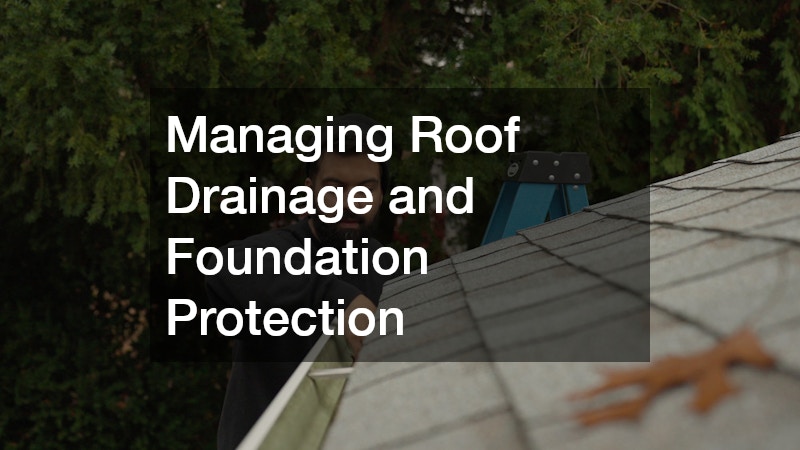
While the roof protects a home from falling precipitation, the surrounding drainage system is responsible for directing thousands of gallons of rainwater safely away from the structure. When gutters become clogged with leaves, twigs, and roof grit, water spills over the edges and collects around the foundation perimeter. This standing water can saturate surrounding soil, exert hydrostatic pressure against basement walls, and cause severe foundation cracking over time.
To maintain continuous water runoff without constant manual intervention, homeowners often upgrade their existing gutter systems with high-efficiency protective covers. Installing top-rated
gutter guards keeps organic debris out of the channels while allowing heavy rainwater to flow freely through the downspouts. This simple improvement prevents water from backing up beneath lower shingle layers, eliminates wood rot along fascia boards, and protects ground-level flower beds from heavy erosion.
In addition, keeping water moving smoothly away from the foundation preserves surrounding walkways, driveways, and retaining walls. Uncontrolled roof runoff can wash away base soils beneath concrete slabs, causing walkways to tilt, crack, and shift out of alignment. By pairing functional drainage channels with extended downspout conductors, property owners establish a reliable water management system that safeguards the entire property foundation from costly moisture damage. Downspout extensions ensure runoff discharges beyond soil borders.
Elevating Exterior Surfaces and Outdoor Hardscapes
Moving down from the roofline to ground level, exterior surfaces play a dual role in protecting soil stability and establishing an inviting curb appeal. Walkways, entry paths, driveways, and backyard patios form the core hardscape features of any residential lot. Over time, plain concrete slabs can suffer from surface spalling, ground settling, freeze-thaw cracking, and unsightly staining from vehicle fluids or continuous weathering.
Transforming flat, worn ground surfaces into eye-catching architectural features has become a popular method for increasing residential market value. Utilizing
decorative concrete allows property owners to replicate the rich textures and subtle tones of natural slate, hand-cut stone, or classic brickwork at a fraction of the traditional masonry cost. Stamped patterns, integral color pigments, and specialized surface stains transform plain outdoor areas into beautiful custom spaces suited for outdoor dining and entertaining.
Long-term performance depends heavily on proper sub-base preparation, concrete mix formulation, and professional finishing techniques. Skilled installers compact structural aggregate bases and position heavy rebar reinforcement to prevent future cracking from ground movement. Applying specialized, clear protective sealants shields colored finishes against harsh ultraviolet rays, winter salt exposure, and liquid spills, ensuring that exterior hardscapes remain durable, slip-resistant, and visually striking for many years. Treated surfaces also withstand severe winter freeze cycles.
Enhancing Entryway Security and Home Access

In addition to enhancing ground-level hardscape, modern home management focuses heavily on securing main entryways and monitoring property access points. The front entrance serves as the primary focal point for arriving guests while remaining the most active access zone for deliveries and daily household traffic. Elevating front door functionality involves combining robust physical hardware with intelligent property security technology.
Integrating smart surveillance tools around main doorways gives property owners complete visibility over front porch activities from anywhere in the world. Modern
front door camera installations allow residents to monitor package deliveries, communicate with visitors, and track property access using high-definition video feeds on mobile devices. These systems feature wide-angle lenses, adjustable motion detection zones, infrared night vision, and two-way audio interfaces that deter potential trespassers.
Professional installers position cameras to eliminate blind spots while ensuring that motion sensors capture approach paths without generating false alerts from nearby street traffic. Connecting door cameras with smart electronic deadbolts and motion-activated illumination creates a complete entryway defense system. This technological integration enhances family safety, provides verifiable video records of property activity, and adds modern convenience to daily home access. Clear monitoring brings extra security to package deliveries throughout the week.
Maintaining Essential Domestic Plumbing Infrastructure
Beyond exterior walls and security perimeters, internal mechanical systems form the essential infrastructure that supports daily domestic health, sanitation, and physical comfort. Plumbing lines, drainage stacks, gas lines, and water heaters operate quietly behind walls and beneath floors. Because these supply networks remain largely hidden, minor leaks or internal pipe corrosion can go unnoticed until severe water damage occurs.
Plumbing networks operate under continuous water pressure and experience variable water temperatures, leading to material stress over time. Small drips under sinks, noisy pipes, or slow-draining fixtures often indicate mounting pressures or internal mineral build-up within the piping system. Hiring an experienced
local plumber for annual preventative maintenance allows homeowners to identify corroded copper joints, test water pressure regulators, and flush sediment from water heater tanks before pipe bursts or flooding can occur.
In addition to preventative pipe maintenance, professional plumbing care ensures that supply lines conform to environmental safety standards and low-flow conservation requirements. Plumbers evaluate backflow valves, clean main sewer drain connections, and upgrade aging supply hoses on washing machines and dishwashers. Keeping domestic plumbing infrastructure in top working condition prevents costly water damage repairs and maintains steady water pressure throughout the residence. Routine pipe care keeps distribution networks running smoothly across every fixture.
Optimizing Heating and Climate Control Systems

Along with functional plumbing networks, environmental climate control systems are crucial for maintaining healthy interior living conditions throughout every season. Central heating units, heat pumps, and air conditioning equipment work continuously to regulate indoor air temperatures, manage humidity levels, and filter airborne dust particles. Neglecting these mechanical systems leads to reduced energy efficiency, inconsistent room temperatures, and premature equipment failure.
Heating and cooling components require routine servicing to maintain maximum operating efficiency and maintain clean indoor air standards. Accumulated dust on evaporator coils, clogged air filters, and worn motor belts force climate control units to run longer, spiking monthly utility bills. Scheduling timely
HVAC repair and annual system tune-ups ensures that electrical connections are secure, refrigerant levels are balanced, and combustion chambers operate safely without releasing harmful gases.
Regular climate control maintenance also extends the operational life of expensive compressor units and furnace heat exchangers. Modern programmable thermostats can be paired with fine-tuned heating and cooling equipment to optimize daily temperature schedules around household routines. Maintaining efficient mechanical systems reduces monthly energy expenses while maintaining a comfortable, climate-controlled indoor environment during summer heatwaves and winter freezes. Well-serviced units distribute conditioned air evenly to eliminate room temperature fluctuations.
Revitalizing Culinary Workspaces for Long-Term Value
Once the essential mechanical and plumbing infrastructure is fully secured, property owners can confidently direct their efforts toward major interior living spaces. Among all residential updates, kitchen transformations consistently deliver a strong return on investment while dramatically improving daily meal preparation and family gatherings. A well-planned kitchen layout merges smart spatial design, robust work surfaces, and efficient traffic patterns.
Executing a successful kitchen redesign requires careful planning, architectural balancing, and coordinated multi-trade management. Engaging professional
kitchen remodeling services allows homeowners to reconfigure inefficient floor plans, expand prep zones, and update electrical wiring to support high-efficiency modern appliances. Experienced design teams assist in creating functional kitchen triangles that efficiently connect storage areas, sink stations, and cooking appliances.
Material selection plays a critical role in determining both the aesthetic character and long-term durability of a renovated kitchen. Choosing
natural stone countertops provides an exceptionally durable, heat-resistant, and scratch-proof surface that easily withstands rigorous daily meal preparation. Granite, quartzite, and marble slabs feature rich natural veining and unique color patterns, adding timeless elegance and substantial market value to the primary culinary center of the home. Thoughtful floor plan planning creates dedicated food preparation zones that streamline daily cooking.
Maximizing Interior Storage and Customized Layouts

To complement new counter surfaces and maximize overall culinary efficiency, custom storage systems are necessary to keep clutter off active work surfaces. Inadequate storage and disorganized shelving often make kitchens feel cramped, regardless of total square footage. Investing in tailored storage features transforms open wall space into highly efficient, organized pantries and prep centers.
Selecting the right
cabinet design requires choosing solid wood framing, heavy-duty soft-close hinges, and durable drawer slides that handle heavy cookware. Modern cabinetry options include deep pot drawers, pull-out spice racks, vertical pan organizers, and corner lazy susans that utilize previously unreachable spaces. Harmonizing surface finishes across custom woodwork creates a unified aesthetic throughout the kitchen and adjacent dining areas.
Organizational needs extend beyond the kitchen into bedrooms, entrance foyers, and utility rooms where standard hanging rods fall short. Partnering with a professional
closet installer transforms cluttered closets into customized dressing areas fitted with double-tier hanging racks, built-in shoe displays, integrated hamper drawers, and adjustable shelving. Custom interior storage optimizes vertical space, keeps personal belongings organized, and simplifies daily routines for every household member. Customized storage keeps everyday personal belongings organized and accessible.
Building a Sustainable Long-Term Upkeep Strategy
Successfully executing a comprehensive whole-home renovation master plan requires careful scheduling, realistic budgeting, and an ongoing commitment to preventative maintenance. Homeowners who structure projects in logical, sequential phases avoid trade scheduling conflicts, control overall expenditures, and reduce daily living disruptions. Completing structural and mechanical repairs prior to undertaking decorative interior finishes prevents costly surface work from being damaged by unexpected pipe leaks or roof moisture.
Developing a seasonal property maintenance schedule helps preserve the value of completed renovations over many years. Simple quarterly tasks, such as replacing furnace filters, clearing downspout outlets, testing water valves, and applying protective sealers to stone surfaces, prevent premature wear on expensive materials. Documenting all service histories, contractor contacts, building permits, and product warranties creates an organized property logbook that proves valuable during future real estate transactions.
Turn Your Renovation Plan Into Lasting Value
A successful whole-home renovation is measured not only by how the finished spaces look but also by how well the improvements serve your household over time. Once the major work is complete, review the results, confirm that essential systems and fixtures function properly, and address any outstanding issues with your contractors. Keeping warranties, permits, receipts, inspection reports, and product information organized will also make future maintenance and repairs easier to manage.
Your home will continue to change as materials age, equipment wears down, and household needs evolve. Establish a maintenance schedule for major systems, monitor areas that may require periodic attention, and set aside funds for future repairs. If you completed several projects at once, documenting the work and noting when components were installed can help you plan your next upgrades more effectively.
By treating renovation as an ongoing investment rather than a one-time project, you can preserve the value of your improvements and make more informed decisions about your property. A well-maintained home is better positioned to meet changing needs, support everyday comfort, and deliver lasting benefits for years to come.