Key Takeaways
- Average remodels vary wildly by room, with kitchens and bathrooms consuming the biggest share of most budgets due to plumbing, cabinetry, and appliance costs
- A full-home refresh for a 2,000-square-foot property can realistically land anywhere from $30,000 to over $200,000 based on scope and finish quality
- Rooms without plumbing or electrical overhauls, like bedrooms and living areas, generally cost a fraction of what wet rooms demand
- Material selection, labor rates in your region, and hidden structural issues account for the widest swings in final pricing
- Building a 15 to 20 percent contingency into any budget protects against surprises uncovered once walls open up
- Breaking projects down room by room produces far more accurate forecasts than relying on a single lump-sum estimate
- Permits, design fees, and temporary living arrangements are frequently overlooked line items that can add thousands to the bottom line
Why Accurate Budgeting Matters Before You Swing a Hammer
Walking into a remodel without a clear financial picture is one of the fastest ways to turn an exciting project into a stressful ordeal. Industry surveys consistently show that homeowners who skip detailed budgeting are far more likely to run out of money mid-project, settle for inferior finishes, or abandon upgrades altogether. The difference between a smooth renovation and a half-finished disaster often comes down to math done before the first demolition day.
The challenge is that renovation pricing is genuinely complicated. Costs shift based on your zip code, the age of your home, the condition behind the drywall, and whether you want quartz or laminate countertops. A kitchen in rural Ohio might cost half of what the same kitchen costs in coastal California. Local labor markets, permit fees, and material availability all push numbers in different directions.
That is why professionals treat budgeting as a research process, not a guess. They gather bids, study comparable projects, and build spreadsheets that account for every category of spending. You can do the same thing at home with a little patience and the right benchmarks to anchor your expectations.
What Really Drives the Price Tag

Before diving into specific rooms, it helps to understand the broad forces that shape remodeling costs. Three variables tend to dominate: labor, materials, and scope. Labor usually represents 30 to 50 percent of a project’s total, depending on complexity, while materials make up most of the rest. In high cost-of-living metros like San Francisco, Boston, or Seattle, labor can climb even higher, sometimes approaching 60 percent as skilled trades command premium hourly rates. Scope, meaning how much structural change you want, acts as the multiplier that can turn a $10,000 refresh into a $60,000 overhaul. Cosmetic updates such as paint, lighting swaps, and new hardware stay on the lower end, while moving plumbing stacks, relocating load-bearing walls, or expanding a footprint pushes you into the higher brackets quickly. Learning how to estimate home renovation costs starts with being honest about which of these three levers you are actually pulling.
Hidden conditions also play an outsized role. Older homes frequently reveal outdated wiring, rotted subfloors, or asbestos tile once walls come down. Knob-and-tube electrical, galvanized supply lines, undersized ductwork, and even termite damage can surface the moment demolition begins, and each discovery adds both time and cost to the schedule. Contractors call these “unforeseen conditions,” and they are the reason seasoned remodelers insist on contingency funds, typically 10 to 20 percent of the total project cost depending on the age of the home. A 1920s bungalow warrants a larger buffer than a home built in the last decade.
Skipping that cushion is the single most common budgeting mistake homeowners make, and it is the fastest way to stall a project mid-demo when funds run dry. Good home renovation planning treats contingency not as optional padding but as a non-negotiable line item.
The Role of Finish Level
Finish level is shorthand for the quality tier of materials and fixtures you choose. Builder-grade finishes keep costs low and work well for rental properties or starter homes; think laminate countertops, stock cabinets from big-box retailers, and basic chrome faucets. Mid-range finishes balance durability and aesthetics for most owner-occupied homes, often featuring quartz counters, semi-custom cabinetry, engineered hardwood, and name-brand appliances in the $1,500 to $3,000 range. High-end or custom finishes, including stone slabs, custom cabinetry, designer plumbing fittings, imported tile, and professional-grade appliances, can double or triple a project’s price. A single waterfall-edge marble island, for example, can run $8,000 to $15,000 installed, while the builder-grade equivalent might come in under $1,500.
Deciding your finish level early prevents sticker shock when you start selecting products, and it also helps your contractor provide a more accurate bid instead of a wide-ranging ballpark. Many homeowners find success by mixing tiers strategically, splurging on the surfaces they touch daily, like countertops and faucets, while saving on items that are easy to upgrade later, such as light fixtures and cabinet pulls.
How to Estimate Home Renovation Costs Without Guessing
Learning how to estimate home renovation costs starts with gathering reliable benchmarks and then adjusting them for your specific situation. The most trustworthy numbers come from recently completed projects in your region, which contractors can share during bid meetings. Industry data provides a solid starting point for setting expectations before you ever call a pro.
Kitchens typically range from $14,500 to $40,500 while bathrooms land between $6,600 and $28,000, with bedrooms and living rooms coming in at $4,000 to $10,000 when plumbing is not involved. These ranges illustrate just how much variation exists even within a single room category. Material choices, square footage, and labor rates in your area push your final number toward the top or bottom of each band.
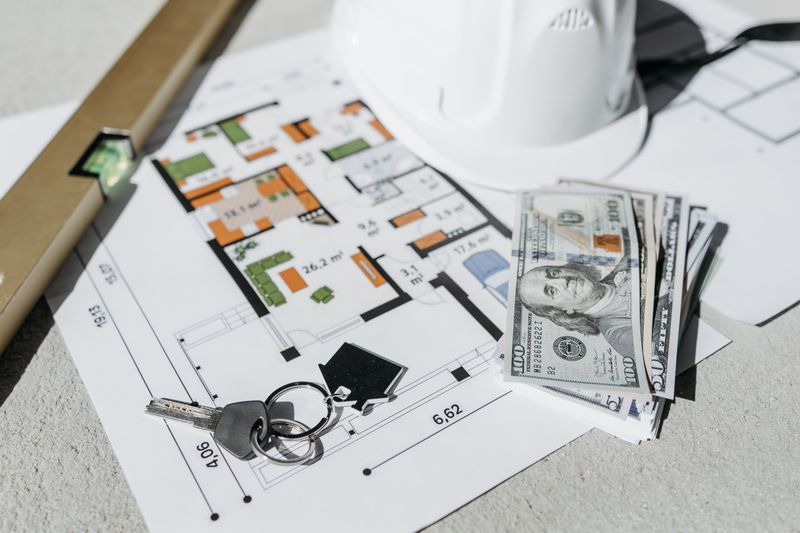
A smart approach to home renovation planning is to build your budget in three layers. Start with a baseline estimate using published ranges. Add a line for local labor adjustments based on contractor quotes. Finish with a contingency of 15 to 20 percent for unexpected discoveries. This layered method produces numbers that hold up far better than single-point estimates.
Key factors to document in your initial calculations include:
- Square footage of the space being renovated
- Current condition of plumbing, electrical, and HVAC systems
- Desired finish level across cabinets, counters, flooring, and fixtures
- Whether layout changes require structural work or permits
- Local labor rates and material delivery costs
- Timeline flexibility, since rushed projects often cost more
The Kitchen: Where Budgets Grow Legs
Kitchens dominate renovation budgets for good reason. They combine plumbing, electrical, cabinetry, countertops, appliances, flooring, and lighting into one dense project. Even a modest kitchen refresh touches every trade in the construction world. That complexity drives both the cost and the project timeline.
According to First Chair, the median kitchen remodel reached $22,000 in 2024, signaling that most homeowners now spend substantially more than they did a decade ago. Rising material costs, longer appliance lead times, and skilled labor shortages all contribute to the upward pressure. Expect those trends to continue shaping kitchen budgets for the foreseeable future.
Breaking a kitchen budget into categories helps clarify where money actually goes:
- Cabinets: 25 to 35 percent of total budget
- Countertops: 10 to 15 percent
- Appliances: 10 to 15 percent
- Flooring: 7 to 10 percent
- Labor and installation: 20 to 30 percent
- Lighting, plumbing fixtures, and backsplash: 10 to 15 percent
Where Kitchen Savings Hide
If your budget is tight, consider keeping your existing cabinet layout and refacing instead of replacing. Refacing can cut cabinet costs by 50 percent or more while delivering a fresh look. Choosing stock cabinets over custom, selecting quartz remnants for small counter runs, and reusing appliances in good working order can all trim thousands without visibly cheapening the finished space.
Bathrooms, Bedrooms, and the Rest of the House
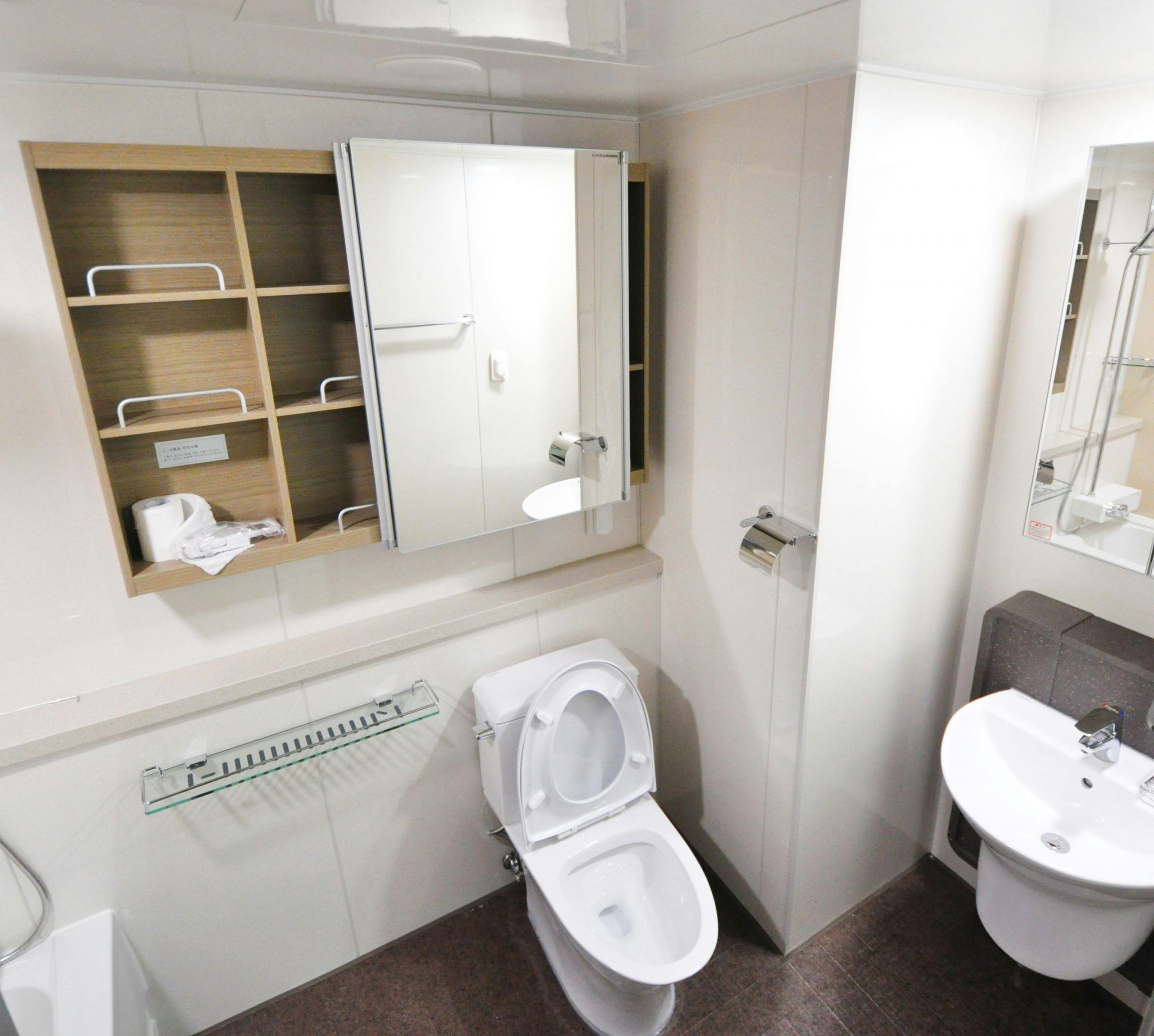
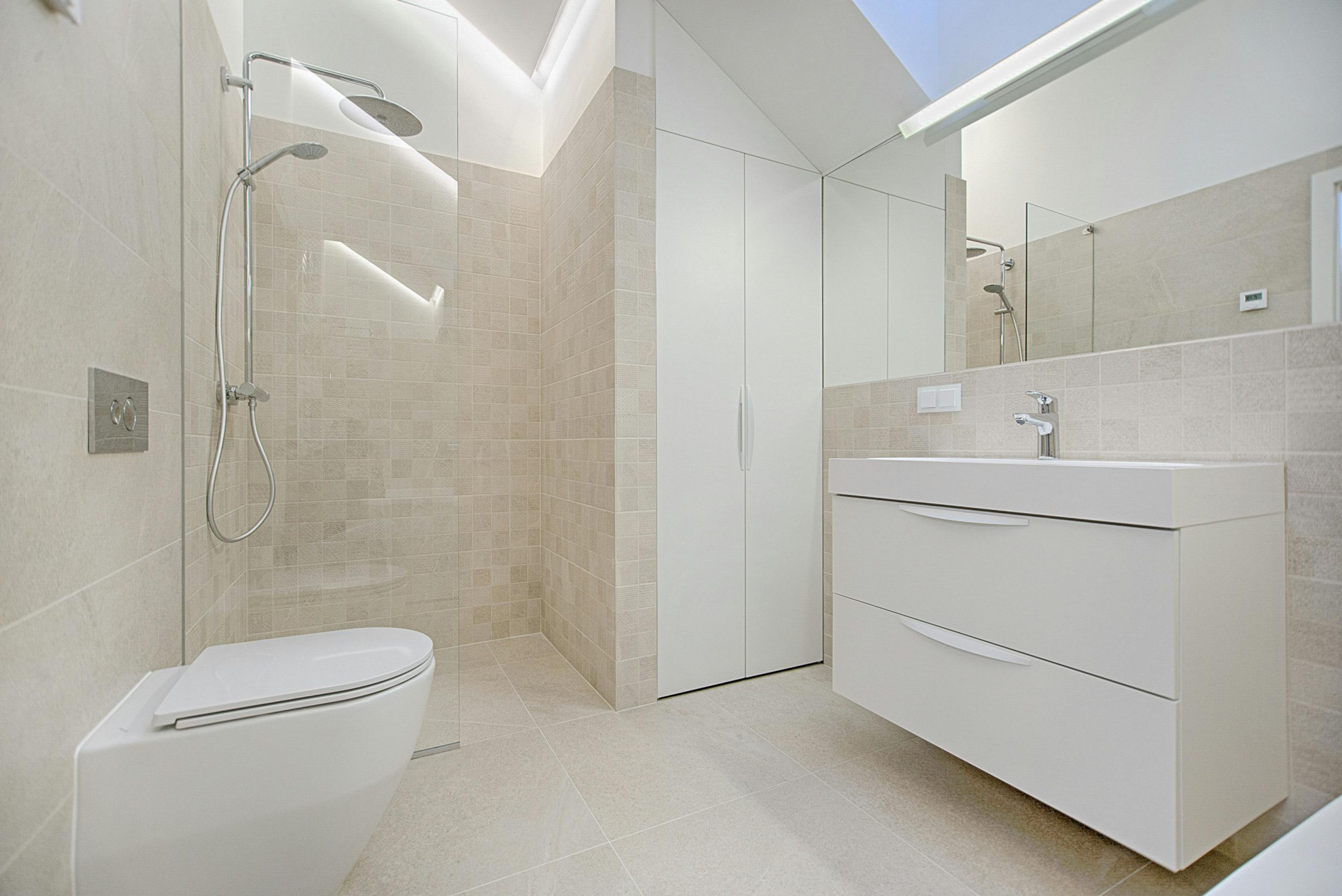
Bathrooms are the second most expensive rooms to remodel, driven by waterproofing, tile work, and plumbing. According to This Old House, a typical bathroom remodel runs about $15,586, with most projects falling between $6,456 and $24,715 depending on size, materials, and scope. Primary bathrooms with soaking tubs and double vanities trend higher, while powder rooms sit near the bottom of the range.
Bedrooms, home offices, and living rooms generally cost far less because they rarely involve plumbing or major electrical rework. Most of the spending in these spaces goes toward flooring, paint, trim, lighting, and perhaps built-in storage. Expect $4,000 to $10,000 for a thoughtful refresh, with higher numbers reflecting hardwood installation, custom millwork, or structural changes like removing a wall.
Basements and attics occupy a middle tier. Finishing an unfinished basement typically runs $30 to $75 per square foot depending on insulation needs, egress requirements, and whether you add a bathroom. For a thorough room-by-room walkthrough including maintenance considerations, this complete renovation master guide covers each space in detail. Budget categories to track for non-wet rooms include:
- Flooring material and installation
- Paint, primer, and trim
- Lighting fixtures and electrical updates
- Built-ins, closets, or storage upgrades
- Window treatments and hardware
Pulling It All Together for a Whole-Home View

Once you have per-room estimates, the next step is seeing how they combine into a realwhole-home budget. For a 2,000 square foot house, adding up a mid-range kitchen, two bathroom updates, refreshed bedrooms, a finished basement, and new flooring throughout can easily total $80,000 to $150,000 before contingency. Stretch toward high-end finishes or add structural changes, and that figure can push past $200,000 without much effort.
Sequencing matters almost as much as the raw numbers. Tackling rooms in the right order prevents rework, like refinishing floors before cabinets go in or painting walls before trim is installed. Most contractors recommend starting with structural and mechanical work, then moving to kitchens and bathrooms, and finishing with cosmetic rooms. This flow protects finished surfaces from damage during messier phases.
Budgeting for the Things That Are Not Rooms
Several line items live outside any single room but still deserve space in your spreadsheet. Overlooking them is one of the quickest paths to a blown budget. Common categories include:
- Permits and inspection fees, often $500 to $3,000 depending on scope
- Architectural or design fees, typically 5 to 15 percent of construction costs
- Dumpster rental and debris removal
- Temporary housing or short-term rentals if the home becomes unlivable
- Storage for furniture during active construction
- Dining out and takeout costs when the kitchen is offline
- Pet boarding or childcare during disruptive phases
Adding these up often reveals an extra $5,000 to $15,000 that nobody initially planned for. Capturing them early keeps your projections honest.
Working With Contractors to Sharpen Your Numbers
Published ranges only take you so far. The sharpest estimates come from walking the project with two or three licensed contractors and comparing their written bids line by line. Look beyond the bottom-line number to see how each bid handles allowances, exclusions, and change-order pricing. A low bid with vague allowances almost always balloons once selections are made.
Ask every contractor the same set of questions so you can compare apples to apples. Request their payment schedule, their process for handling unforeseen conditions, and references from projects completed within the past year. The quality of their answers often reveals more about the final cost than the dollar figure on page one.
Red flags to watch for during bidding include:
- Bids that come in dramatically lower than competitors
- Vague allowances for cabinets, counters, or fixtures
- No written scope of work or itemized breakdown
- Pressure to sign quickly or pay large deposits upfront
- Reluctance to provide references or proof of insurance
A thorough bid review often uncovers $5,000 to $20,000 in hidden assumptions that would otherwise surface mid-project as change orders.
Conclusion
Estimating remodel costs accurately is less about predicting the future and more about building a disciplined framework that absorbs surprises without derailing the project. Starting with reliable per-room benchmarks, layering in local labor adjustments, and reserving a healthy contingency gives you a budget that reflects reality rather than wishful thinking. The homeowners who finish on time and on budget are almost always the ones who did this math before the first contractor ever walked through the door.
Room-by-room thinking also forces you to make trade-offs consciously rather than reactively. If the kitchen is the heart of your home, pour resources there and scale back elsewhere. If a growing family needs an extra bathroom more than a stone countertop, let that priority shape your allocations. Budgets are tools for turning values into decisions, and the clearer your values, the better your budget performs.
Finally, remember that no spreadsheet replaces the judgment of experienced professionals and the lessons learned from your own home’s quirks. Walk the project with contractors, pull back drywall where you can, and keep that contingency fund untouched until you actually need it. Done well, the estimating process becomes the foundation for a renovation you will enjoy for years rather than one you regret for just as long.