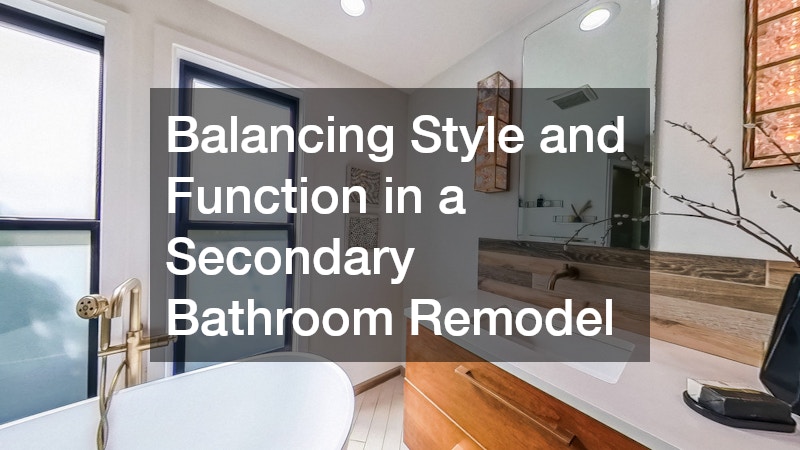

A well-planned bathroom should feel comfortable, attractive, and easy to use. For many homeowners, the goal is not only to update the look of the space, but also to make it safer and more practical for daily routines. A room can have beautiful finishes and still be frustrating if it is hard to move through, difficult to clean, or unsafe for children, older adults, or guests with limited mobility.
Accessibility does not have to make a bathroom feel clinical or plain. Many of today’s most useful safety features blend naturally into modern design. Wider entries, curbless showers, slip-resistant surfaces, better lighting, reachable storage, and smart fixture placement can all improve comfort while still supporting a polished appearance.
The best results come from planning ahead. Instead of choosing products one at a time, homeowners should think about how the entire room functions. Every feature should support ease of movement, comfort, safety, and long-term value. With thoughtful choices, a bathroom can look updated now while continuing to meet changing needs in the future.
Start With a Clear Look at the Existing Space
Before beginning bathroom remodeling, homeowners should study how the current space is used each day. Look at what feels cramped, unsafe, outdated, or inconvenient. A narrow doorway, slippery floor, high tub wall, poor lighting, or low storage can all affect comfort and safety. These details may seem small, but they often shape the success of the entire project.
It helps to write down the main problems before selecting finishes. Is the room hard to enter with a walker or mobility aid? Is there enough room to turn around? Are towels, toiletries, and cleaning supplies easy to reach? Does the layout create tripping hazards? These questions can reveal which changes matter most.
A bathroom contractor can help turn these observations into a realistic plan. Professional guidance is especially useful when walls, plumbing lines, electrical systems, or structural changes are involved. Homeowners may have ideas about what they want, but a contractor can explain what is practical within the existing space.
Budget should also be discussed early. Accessibility upgrades, layout changes, new fixtures, and finish materials can vary widely in cost. A clear budget helps homeowners decide where to invest more and where to simplify. Planning carefully at the start can prevent expensive changes later.
Choose Surfaces That Reduce Slips and Wear

Flooring plays a major role in both style and safety. Bathrooms are naturally exposed to water, steam, and frequent foot traffic, so the floor must be durable and easy to maintain. A beautiful material that becomes slick when wet can create problems, especially for young children, older adults, or anyone with balance concerns.
Bathroom flooring contractors can help homeowners compare practical options. Textured tile, luxury vinyl, slip-resistant porcelain, and other moisture-friendly products may provide better traction than glossy materials. The goal is to choose a floor that supports safe movement without making the room feel outdated.
Color and pattern also matter. A floor that contrasts slightly with walls and fixtures can help improve visibility. This is especially helpful for people with reduced eyesight. However, overly busy patterns may make it harder to judge depth or spot small objects on the floor. A balanced design can support both safety and appearance.
A bathtub refinisher may be helpful if the existing tub is in good condition but looks worn. Refinishing can improve the surface appearance without a full replacement. However, homeowners should also consider whether keeping the tub supports long-term accessibility. If stepping over the tub wall is already difficult, refinishing may not solve the larger issue.
Every surface should be chosen with daily use in mind. Durable, slip-resistant, moisture-friendly materials can keep the space safer and more attractive over time.
Make the Bathing Area Easier to Enter
The bathing area is often the most important part of an accessible bathroom. Traditional tubs can be difficult to enter, especially for anyone with knee pain, balance issues, or limited mobility. Even healthy adults may find a high tub wall inconvenient as they age.
A walk-in shower conversion can make the space easier to use by replacing a traditional tub with a lower-entry or curbless shower. This type of update can reduce tripping risks and create a more open feel. It can also make the room easier to navigate with a shower chair or mobility aid.
Design details matter. A built-in bench, handheld showerhead, reachable controls, and properly placed grab bars can make the shower safer and more comfortable. Grab bars no longer have to look institutional. Many are available in stylish finishes that match other hardware.
A custom shower door can also improve function. Wider openings, smooth operation, and thoughtful placement can make entry easier. Some homeowners may prefer a doorless or partially enclosed shower to reduce barriers. Others may need glass panels to contain water better. The right choice depends on the room size, layout, and user needs.
The shower should feel open, safe, and easy to maintain. By planning the bathing area carefully, homeowners can create a feature that looks modern while supporting long-term comfort.
Review Pipes and Fixtures Before Installation

Behind every attractive bathroom is a system that must work correctly. Plumbing problems can quickly damage floors, walls, cabinets, and fixtures. Before new finishes are installed, homeowners should make sure the supply lines, drains, valves, and connections are in good condition.
Plumbers can inspect existing components and identify issues that may not be visible at first. Older homes may have worn pipes, outdated shutoff valves, slow drains, or connections that no longer meet current standards. Addressing these concerns before installation is much easier than repairing them after new walls or floors are finished.
Plumbing services may also be needed when fixture locations change. Moving a toilet, shower, sink, or tub can affect drains, venting, water lines, and floor structure. These changes should be planned carefully so the layout works properly and passes required inspections.
Fixture height and placement should support accessibility. Comfort-height toilets, lever-style faucet handles, and reachable shower controls can make daily routines easier. Sinks should allow comfortable use while standing or seated, depending on the household’s needs.
Water pressure, drainage, and ventilation should also be considered. A bathroom can look complete but still perform poorly if water does not drain correctly or fixtures are not installed properly. Taking care of these systems early protects the finished project.
Plan Hot Water Around Daily Routines
Comfort depends heavily on reliable hot water. A newly updated bathroom may include a larger shower, multiple showerheads, a soaking tub, or other features that increase demand. If the home’s system is already struggling, the upgrade may reveal the problem quickly.
A water heater should be evaluated before major work begins. Homeowners should consider its age, capacity, recovery rate, energy efficiency, and ability to support household routines. A system that worked for a small older bathroom may not be enough for a larger or more feature-rich space.
Plumbers can help determine whether repair, maintenance, or replacement is the better option. They can also check for signs of trouble, such as inconsistent temperatures, rust-colored water, leaks, unusual noises, or slow recovery after use. These issues should be addressed before the bathroom becomes part of the daily routine again.
Hot water planning is especially important for households with multiple people getting ready at the same time. Showers, sinks, laundry, and dishwashing may all compete for hot water. Understanding demand can help homeowners avoid frustration after the project is complete.
Energy efficiency should also be part of the discussion. Newer systems may reduce waste and improve performance. Whether homeowners choose a traditional tank or another option, the system should be matched to the home’s actual needs.
Use Glass Features That Support Movement

Glass can make a bathroom feel brighter, larger, and more open. It can also affect accessibility. A poorly placed enclosure may create a narrow entry, awkward movement, or cleaning challenges. Choosing the right style can improve both appearance and function.
Shower door replacement may be needed when an existing door is too narrow, difficult to slide, hard to clean, or unsafe. Older framed doors can collect grime and become harder to operate over time. Replacing them can update the room and make the shower easier to use.
A custom shower door allows homeowners to match the opening, layout, and accessibility goals of the space. Wider entries can help users step in more comfortably. Clear glass can improve visibility. Low-profile hardware can reduce obstacles. Proper swing direction or sliding function can make a major difference in tight spaces.
Safety glass is essential. Bathrooms are wet environments, and glass should meet appropriate safety standards. Homeowners should also think about handle placement, towel bars, and how the door will be cleaned. A beautiful enclosure should not create daily frustration.
For some spaces, a full door may not be the best choice. Partial panels or open-entry designs may work better when the layout allows proper water control. The goal is to create a bathing area that feels open without causing water to spread across the floor.
Keep the Project Organized From Start to Finish
Even a small bathroom update involves many moving parts. Materials must be ordered, trades must be scheduled, inspections may be required, and the work must happen in the right order. Poor coordination can lead to delays, rework, and added costs.
A bathroom contractor can help manage the sequence of work. Demolition usually happens first, followed by rough plumbing, electrical updates, framing, waterproofing, surface preparation, fixture installation, and final finish work. If one step is rushed or skipped, later stages may suffer.
Plumbing services should be scheduled at the correct points in the project. Rough-in work must happen before walls are closed, while final fixture connections happen near the end. Clear scheduling keeps professionals from interfering with one another and helps prevent avoidable delays.
Homeowners should keep all estimates, contracts, product information, permits, and warranties in one place. It is also helpful to document selections, model numbers, paint colors, tile names, and fixture finishes. These details may be needed for repairs or future updates.
Communication is key. Homeowners should ask for progress updates and speak up quickly if something does not match the plan. A final walkthrough should include a punch list of small items, such as caulk touch-ups, door adjustments, grout concerns, or fixture questions. Organized oversight helps ensure the finished room meets expectations.
Protect the Room After the Work Is Done
Once the project is complete, maintenance becomes the key to long-term performance. Bathrooms are exposed to constant moisture, so small problems can grow quickly if ignored. Regular care helps preserve both safety and appearance.
Bathroom remodeling should include a plan for upkeep. Homeowners should know how to clean each surface, which products to avoid, and how often to inspect seals, grout, drains, and fixtures. Harsh cleaners may damage finishes, while poor ventilation can encourage mildew.
Bathroom flooring contractors may provide care instructions for the specific material installed. Some floors need special cleaning methods, while others should be protected from standing water. Following these guidelines can prevent premature wear and keep the floor safer underfoot.
Caulking around showers, tubs, sinks, and toilets should be checked regularly. Cracked or missing caulk can allow water to seep into hidden areas. Grout should also be monitored for staining, cracking, or gaps. Early repairs can prevent larger damage.
Ventilation should not be overlooked. Running the fan during and after showers can reduce moisture buildup. Homeowners should also wipe down wet surfaces, keep drains clear, and address leaks immediately. A well-maintained bathroom remains more comfortable, safer, and easier to enjoy for years.
Designing With Comfort, Safety, and Confidence

A bathroom that balances style and accessibility can improve everyday life in meaningful ways. It can make morning routines easier, reduce safety concerns, support guests and family members, and help the home remain practical as needs change. The best spaces are not only attractive. They are designed around real people and real routines.
Thoughtful planning makes the biggest difference. Homeowners should think carefully about movement, lighting, storage, bathing access, surface safety, fixture placement, and long-term maintenance. Each decision should support both comfort and usability.
A successful project does not need to feel overly complicated. It simply needs a clear plan, quality materials, skilled professionals, and attention to the details that matter most. With the right approach, homeowners can create a room that feels modern, welcoming, and easy to use.
By planning for both today and tomorrow, the finished space can serve the household well for many years. It can offer the style homeowners want while providing the safety and convenience they may need later.